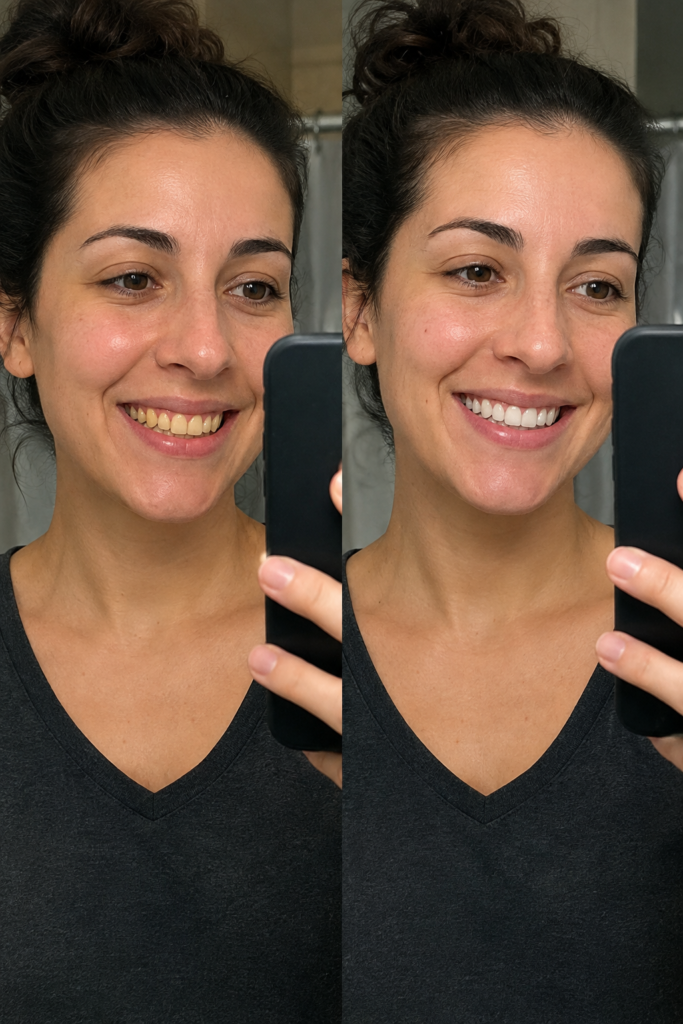

When you’re buying a teeth-whitening product, the packaging and before-and-after photos can grab your attention. But there’s another part of the product that deserves just as much attention:
The ingredients.
After all, the formula is what you’re actually putting in your mouth.
If you’ve been researching Happy Smile Pro, you may already know that the product is positioned around PAP-based teeth whitening and an LED whitening system.
But what does that actually mean?
What is PAP?
Why is it used instead of traditional peroxide?
Are there other ingredients in the formula?
And is a PAP-based whitening system suitable for everyone?
I’ve spent a lot of time looking at how at-home whitening products work, and one thing I’ve learned is that consumers shouldn’t judge a whitening product simply by whether an ingredient sounds “natural,” “advanced,” or “powerful.”
The entire formulation matters.
In this guide, we’ll break down what you should know about Happy Smile Pro’s whitening approach, what PAP does, what you should check on the current product packaging, and the important limitations you should understand before buying.
Affiliate Disclosure: This article contains affiliate links. If you purchase Happy Smile Pro through one of our links, we may earn a commission at no additional cost to you.
Happy Smile Pro Ingredients: The Quick Answer
The most important ingredient associated with Happy Smile Pro’s whitening approach is PAP, or phthalimidoperoxycaproic acid.
PAP is an oxidizing whitening ingredient used in peroxide-free cosmetic whitening formulations.
That’s the ingredient that makes the product particularly interesting to people searching for an alternative to traditional hydrogen peroxide or carbamide peroxide whitening.
However, there’s an important point I want to make before going further:
Don’t assume an online review has the complete current ingredient list.
Manufacturers can change formulations, packaging, or product specifications.
If you’re concerned about a specific ingredient, allergy, sensitivity, or oral-health issue, check the current product packaging and manufacturer information before using the product.
That is more reliable than an old blog post.
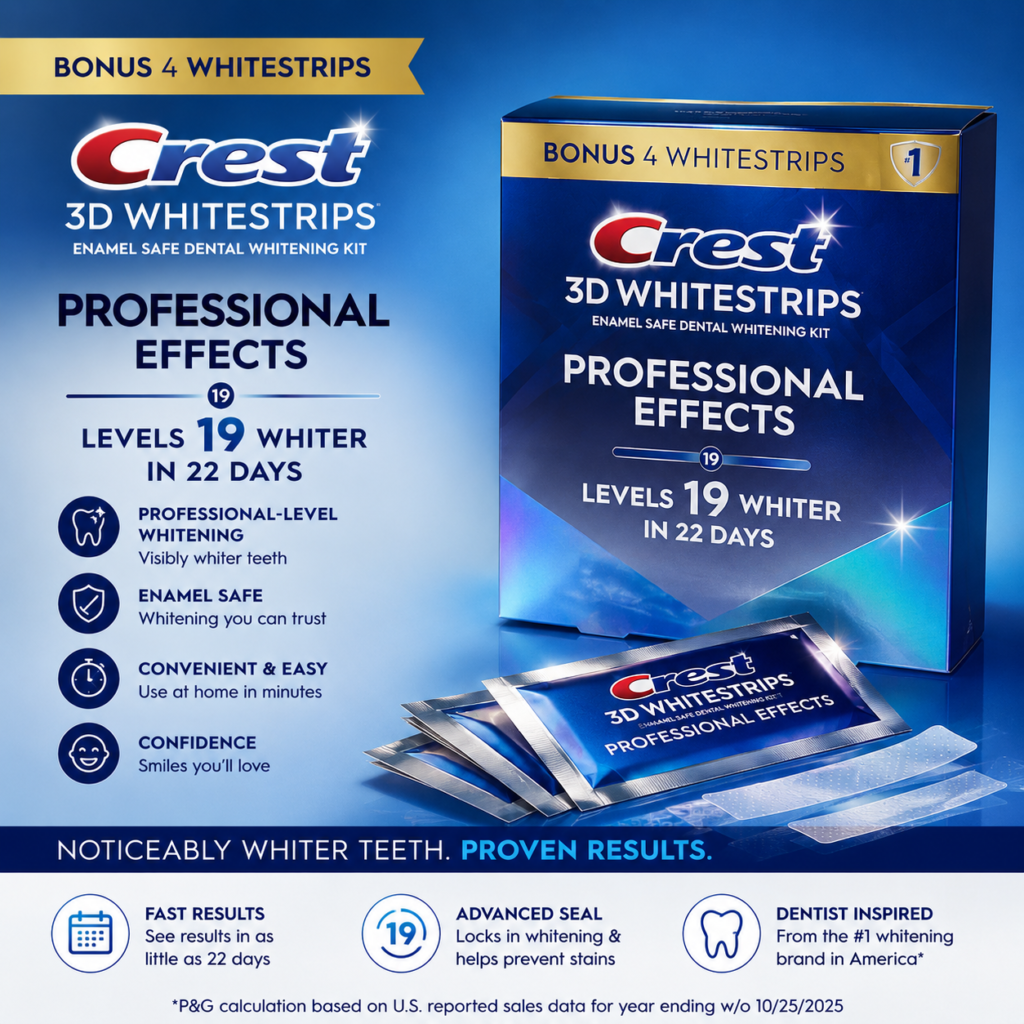
Crest 3D Whitestrips Professional Effects – At-Home Teeth Whitening Kit
- 19 levels whiter in 22 days (Results May Vary)
- #1 dentist recommended at-home teeth whitening brand*
- Safely removes stains with a comfortable, no-slip grip whitening experience
- Uses the same enamel safe whitening ingredient as dentists
- Enamel safe & effective
- Features our Advanced Seal Technology no-slip grip so strips stay put during full application time
✨ Ready for a Brighter-Looking Smile?
Skip the complicated routine and discover an easy at-home teeth whitening solution with Crest 3D Whitestrips Professional Effects.
Affiliate disclosure: This blog post may contain affiliate links. If you purchase through a link, I may earn a commission at no additional cost to you.
What Is PAP?
PAP stands for:
Phthalimidoperoxycaproic acid.
It’s a chemical compound used in some teeth-whitening products.
The name sounds complicated, but its purpose in a whitening formula is relatively easy to understand.
PAP functions as an oxidizing whitening ingredient.
In simple terms, whitening ingredients work by interacting with colored compounds associated with discoloration.
As these compounds are altered, teeth can appear brighter.
PAP is particularly interesting because it provides this whitening approach without using conventional hydrogen peroxide or carbamide peroxide.
Why Is PAP Used in Teeth Whitening?
Traditional whitening products often rely on peroxide chemistry.
That’s been the standard approach for a long time.
PAP offers another route.
The appeal is particularly strong among consumers who are searching for:
- Peroxide-free whitening
- Alternative whitening ingredients
- At-home whitening
- Sensitivity-conscious whitening products
- Modern cosmetic whitening systems
This is one of the main reasons PAP has become increasingly visible in the teeth-whitening market.
Is PAP the Same as Hydrogen Peroxide?
No.
This is important.
PAP and hydrogen peroxide are different compounds.
Hydrogen peroxide is a traditional whitening ingredient.
PAP is used in peroxide-free whitening formulations.
Both are associated with oxidation-based whitening chemistry, but they aren’t the same ingredient.
So if you see Happy Smile Pro described as a PAP-based or peroxide-free whitening system, that’s referring to this distinction.
Why Would Someone Prefer PAP Over Peroxide?
There are several reasons.
1. They want a peroxide-free formula
Some consumers simply prefer avoiding traditional peroxide-based whitening.
2. They’ve experienced sensitivity
Some people experience temporary sensitivity when using peroxide whitening products.
This makes them interested in alternative formulations.
3. They want a newer whitening approach
PAP has gained attention as an alternative cosmetic whitening ingredient.
4. They prefer a complete system
Happy Smile Pro combines its whitening approach with LED technology.
Does PAP Mean Zero Sensitivity?
No.
This is one of the most important things to understand.
You may see PAP whitening products marketed toward people who are concerned about sensitivity.
But that doesn’t mean everyone will have a completely sensitivity-free experience.
Your teeth and gums are individual.
Sensitivity can also be caused by things unrelated to whitening, including:
- Enamel wear
- Gum recession
- Cavities
- Cracked teeth
- Existing dental problems
So if you already have significant sensitivity, don’t simply assume that switching to PAP solves the problem.
Find out what’s causing it.
What Other Ingredients Are in Happy Smile Pro?
This is where I recommend being careful.
You may find different ingredient lists, descriptions, or retailer information online.
Some may be outdated.
Some may refer to packaging variations.
Some may list only selected active ingredients rather than the complete formula.
For that reason, I would not recommend relying on a third-party blog for the complete current ingredient list.
Instead, look at:
The current Happy Smile Pro packaging
and
The current manufacturer’s product information.
If you have a known allergy or sensitivity to a particular substance, verify the current full ingredient list before purchasing.
Why Ingredient Transparency Matters
When it comes to something you’re putting in your mouth, transparency matters.
You should be able to understand:
- What the active whitening ingredient is
- How the product is intended to be used
- How long it should remain in contact with your teeth
- How frequently it should be used
- What warnings apply
- What ingredients are present
This is especially important for people with allergies or existing oral-health concerns.
PAP Isn’t the Entire Whitening Experience
Another thing that can get lost in ingredient discussions is the fact that Happy Smile Pro isn’t simply a tube of PAP gel.
It’s presented as a whitening system.
That means the experience involves more than the ingredient itself.
The overall concept includes:
Whitening formula
LED device
Recommended treatment routine
So when you’re evaluating Happy Smile Pro, don’t look only at PAP.
Consider the entire product.
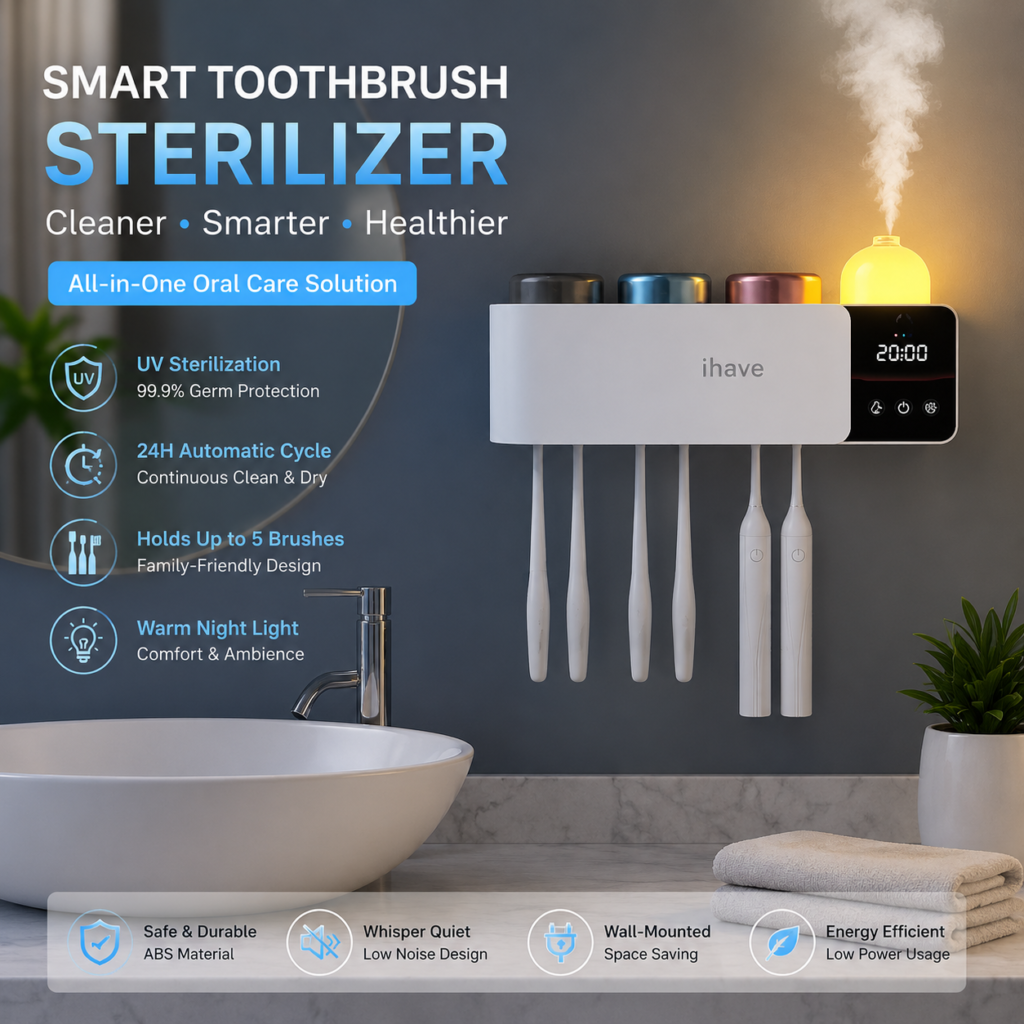
iHave Toothbrush Holder Aromatherapy Diffuser Wall Mount UV Sanitizer 3-Cup
Keep your toothbrush storage area cleaner and more organized with this smart toothbrush sterilizer and drying system. Designed for modern bathrooms, the wall-mounted unit combines toothbrush storage with UV sanitizing and automatic drying features. It can hold multiple toothbrushes and includes a convenient night light, making it a practical addition to everyday oral-care routines. Its compact design helps save counter space while keeping toothbrushes neatly stored and ready for use.
Keep your toothbrushes organized, dry, and conveniently stored with a smart toothbrush sterilizer designed for modern bathrooms.
Affiliate disclosure: This blog post may contain affiliate links. If you purchase through a link, I may earn a commission at no additional cost to you.
What Does the LED Device Have to Do With the Ingredients?
The LED device isn’t an ingredient.
It’s a separate component of the system.
The whitening formula provides the chemical component of the treatment.
The LED device is intended to be used alongside the whitening treatment according to the manufacturer’s instructions.
That’s why I wouldn’t describe the product simply as:
“LED teeth whitening.”
The more accurate description is a PAP-based whitening system that incorporates LED technology.
Does the LED Change the Ingredients?
No.
The LED device doesn’t transform PAP into a completely different ingredient.
The whitening formula and the device are separate parts of the system.
The exact role and operating instructions should come from the current manufacturer instructions.
PAP vs Peroxide: Why the Ingredient Difference Matters
Let’s make the comparison simple.
Traditional peroxide whitening
Often uses:
- Hydrogen peroxide
- Carbamide peroxide
PAP whitening
Uses:
- PAP
The reason consumers compare these ingredients is that they represent different approaches to cosmetic whitening.
If you’ve used peroxide products before and weren’t happy with the experience, a PAP-based product may seem interesting.
Does PAP Whiten Better Than Peroxide?
This is where I wouldn’t believe anyone who gives you a universal answer.
There are too many variables.
Whitening performance can depend on:
- Ingredient concentration
- Formula design
- Treatment duration
- Application method
- Type of discoloration
- Starting tooth shade
- Individual response
- Consistency
So it’s not as simple as:
PAP = better
or
Peroxide = better.
The entire formulation matters.
What Type of Stains Can Whitening Address?
Understanding staining is more important than many consumers realize.
Extrinsic stains
These are stains associated with the outer surface of teeth.
Common contributors include:
- Coffee
- Tea
- Tobacco
- Certain foods
- Dark-colored beverages
Intrinsic discoloration
This occurs deeper within the tooth and can have different causes.
Examples can include:
- Trauma
- Certain medications
- Aging
- Dental conditions
At-home cosmetic whitening isn’t guaranteed to address every type of discoloration equally.
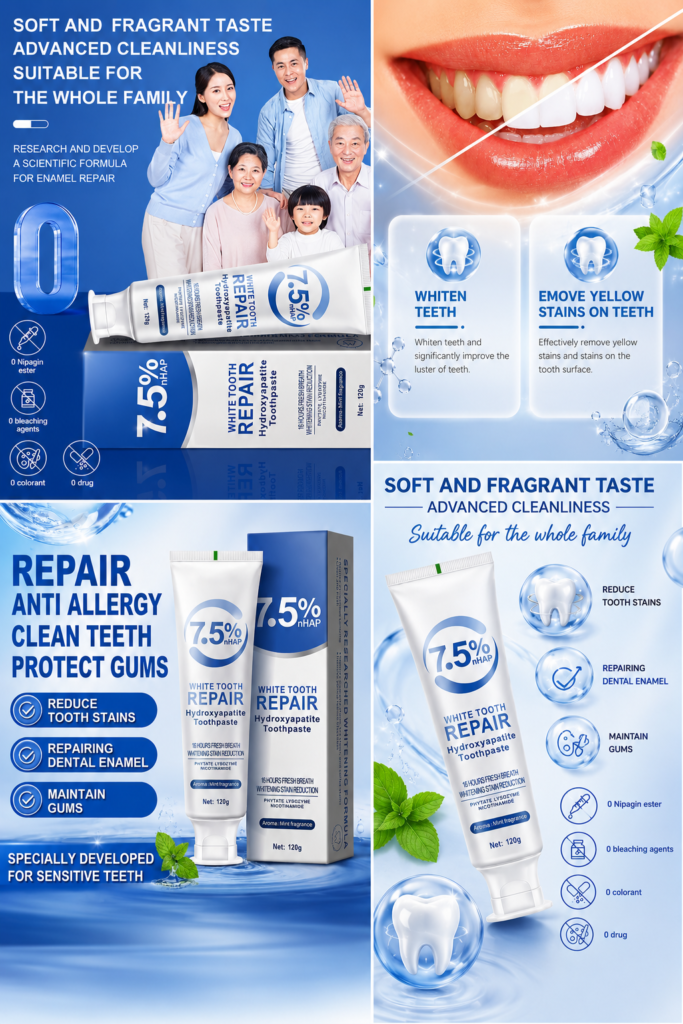
7.5% nHAp Hydroxyapatite Toothpaste for Teeth Whitening & Enamel Care
Promotional product collage featuring 7.5% nHAp hydroxyapatite toothpaste designed for daily oral care. The visual highlights whitening, yellow stain reduction, enamel-care and gum-care benefits, along with a soft mint flavor and sensitive-teeth positioning. Ideal for blog posts, Pinterest content and product reviews focused on hydroxyapatite toothpaste, teeth whitening, enamel care and oral hygiene.
Please Note: claims presented by the product, Results May Vary
🦷 Want to upgrade your oral-care routine? Check it Now
Affiliate disclosure: This blog post may contain affiliate links. If you purchase through a link, I may earn a commission at no additional cost to you.
Can Happy Smile Pro Whiten Coffee-Stained Teeth?
Coffee is one of the most common reasons people look for whitening.
PAP-based whitening products may help improve the appearance of certain cosmetic stains.
But there are two things to remember.
First:
Results vary.
Second:
The source of staining matters.
If you drink several cups of coffee every day, continued exposure can contribute to new staining.
Whitening isn’t a permanent protective coating.
What About Tea?
Tea can also contribute to tooth discoloration.
The same basic principle applies.
Whitening may help with certain cosmetic staining, but your lifestyle still matters.
If you’re serious about maintaining a brighter-looking smile, your daily habits are part of the equation.
What About Tobacco Stains?
Tobacco can contribute significantly to tooth discoloration.
Whitening may improve the cosmetic appearance of certain stains.
However, whitening doesn’t undo the broader effects of tobacco on oral health.
If you use tobacco and are concerned about your oral health, talk to a dental professional.
What About Naturally Yellow Teeth?
This is another important distinction.
Some teeth naturally have a warmer color.
That doesn’t automatically mean they’re unhealthy.
Your tooth shade is influenced by:
- Genetics
- Enamel thickness
- Dentin
- Age
- Natural variation
A whitening product may make teeth appear brighter, but it can’t necessarily turn every person’s natural tooth shade into an ultra-white color.
What About Dental Crowns and Veneers?
This is a common source of disappointment.
Whitening products primarily target natural tooth structure.
Dental restorations can behave differently.
If you have:
- Veneers
- Crowns
- Bonding
- Some types of fillings
the material may not whiten in the same way as your natural teeth.
This can potentially create a difference in shade.
If you have significant visible dental work, speak with your dentist before whitening.
Are the Ingredients Safe?
The word “safe” needs context.
No responsible reviewer should tell every person:
“This product is completely safe for everyone.”
Your individual circumstances matter.
A cosmetic whitening product should be used according to its instructions.
If you have:
- Dental disease
- Severe sensitivity
- Mouth irritation
- Allergies
- Recent dental treatment
get professional advice before using a whitening product.
What If You Have Sensitive Teeth?
Don’t automatically assume PAP solves sensitivity.
Instead, ask:
Why are my teeth sensitive?
If your sensitivity is mild and occasional, you may simply be sensitive to certain whitening products.
But if your teeth hurt frequently or sharply, there could be another explanation.
For example:
- Gum recession
- Enamel erosion
- Cavities
- Cracks
A whitening product isn’t designed to treat these problems.
What If the Product Irritates Your Gums?
Your gums shouldn’t be ignored.
If whitening product gets onto your gums, irritation can occur depending on the formulation and individual sensitivity.
Follow the manufacturer’s application instructions carefully.
Avoid using excessive product.
If you experience significant or persistent irritation, discontinue use and seek professional advice.
Don’t Make the “More Is Better” Mistake
This is probably the most common mistake beginners make with cosmetic products.
They see a whitening treatment and think:
More gel = faster results.
That’s not how it works.
Don’t use excessive product.
Don’t leave it on for significantly longer than recommended.
Don’t increase the frequency simply because you want faster results.
Follow the instructions.
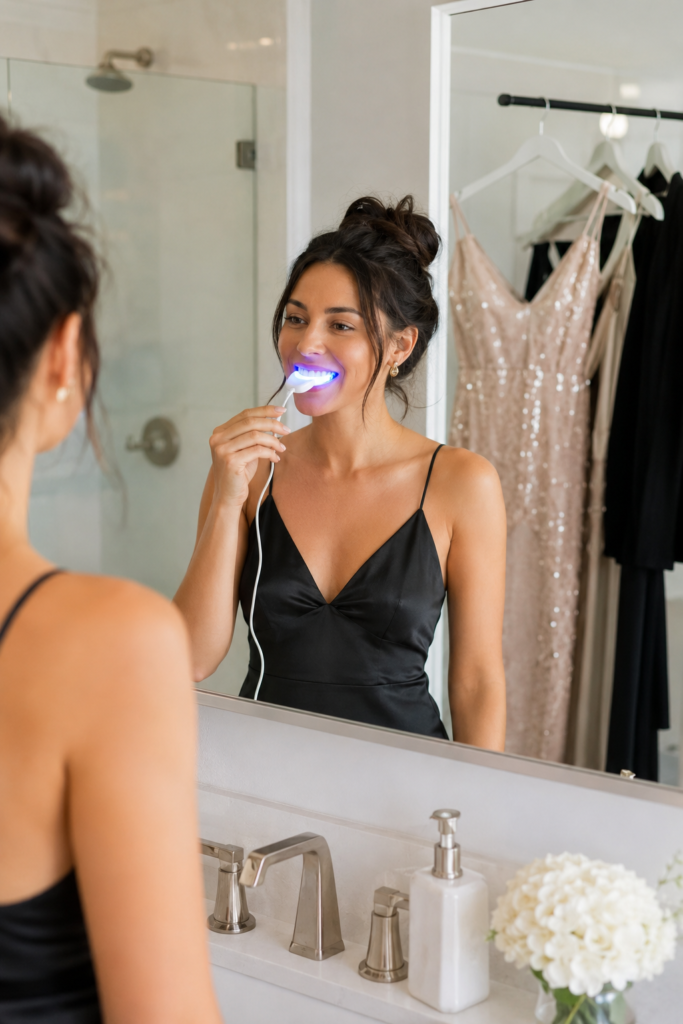
LED teeth whitening system
A young adult woman uses an at-home LED teeth whitening system while preparing for a special event in a clean, modern bathroom. This realistic lifestyle image highlights convenient LED teeth whitening at home, smile care, oral hygiene, and beauty preparation. The elegant outfit in the background creates a relatable pre-event setting for anyone looking to brighten their smile before a special occasion.
✨ Want to brighten your smile at home? Check out the LED teeth whitening kit here
Affiliate Disclosure: This article contains affiliate links. If you purchase through one of our affiliate links, we may receive a commission at no additional cost to you.
How Should Beginners Approach Happy Smile Pro?
If you’re completely new to the product, I’d recommend a simple approach.
Step 1: Read the instructions
Before applying anything.
Step 2: Check the ingredients
Especially if you have allergies or sensitivities.
Step 3: Start with the recommended amount
Don’t overapply.
Step 4: Follow the treatment time
Don’t extend the session.
Step 5: Monitor your response
Pay attention to sensitivity or irritation.
Step 6: Be consistent
Don’t expect a single session to completely transform your smile.
Should You Take Before-and-After Photos?
Yes.
If you’re testing any cosmetic whitening product, photos can be useful.
But take them properly.
Use:
- The same room
- Similar lighting
- The same camera
- Similar angle
- Similar distance
Otherwise, changes in lighting can make your teeth appear dramatically different even when the actual shade hasn’t changed much.
How Long Do Whitening Results Last?
There’s no permanent whitening solution.
Even if you achieve a brighter-looking smile, everyday life continues.
You still consume:
- Coffee
- Tea
- Food
- Colored beverages
And your teeth naturally change over time.
That means maintenance is part of cosmetic whitening.
What Should You Do After Whitening?
Follow the manufacturer’s post-treatment recommendations.
More broadly, maintaining good oral hygiene is important.
You can also be mindful of habits that contribute to staining.
For example:
Drink water regularly
Especially after staining beverages.
Maintain normal brushing
Use a routine recommended by your dental professional.
Floss regularly
This helps maintain overall oral hygiene.
Schedule dental checkups
Whitening doesn’t replace professional dental care.
Happy Smile Pro Ingredient Pros
Based on its PAP-based positioning, the formula has several potential advantages for the right consumer.
PAP-based
Offers a peroxide-free whitening approach.
Designed for cosmetic whitening
The formula is intended to address tooth discoloration.
Fits an at-home routine
You don’t need to schedule routine professional whitening appointments.
Works as part of a complete system
The whitening formula is paired with LED technology.
Happy Smile Pro Ingredient Cons
There are also limitations.
Full ingredient details should be verified
Always check the current product packaging and manufacturer information.
Individual results vary
No whitening ingredient works identically for everyone.
Sensitivity isn’t impossible
PAP shouldn’t be treated as a guarantee of zero sensitivity.
It isn’t dental treatment
It doesn’t replace diagnosis or treatment of dental problems.
Results aren’t permanent
Lifestyle and aging can affect tooth color.
What I Like About the PAP Approach
The biggest advantage, in my opinion, is that it gives consumers another choice.
For years, people largely associated teeth whitening with peroxide.
PAP gives consumers an alternative.
That doesn’t mean it makes peroxide obsolete.
It simply means you have another formulation to consider.
For someone specifically searching for peroxide-free teeth whitening, that can be a meaningful difference.
What I Don’t Like About Ingredient Marketing
The biggest issue I have with whitening marketing is exaggerated language.
You may see phrases such as:
- “Instantly transforms your smile”
- “Guaranteed results”
- “Zero sensitivity”
- “Works for everyone”
- “Professional results at home”
I’d be cautious with those claims.
Real people have different teeth.
Different stains.
Different habits.
Different sensitivities.
A good product review should acknowledge that.
Is Happy Smile Pro a Good Choice for You?
I’d consider it if you want:
- An at-home whitening system
- PAP-based whitening
- A peroxide-free approach
- LED technology
- A structured whitening routine
I’d think twice if you’re expecting:
- Instant permanent whitening
- Guaranteed results
- A replacement for dental treatment
- A solution for severe discoloration
- A way to whiten crowns and veneers like natural teeth
What Should You Check Before Buying?
This is the checklist I’d use.
1. Current ingredient list
Check the manufacturer’s current information.
2. Product instructions
Understand exactly how the system should be used.
3. Package contents
Make sure you know what you’re receiving.
4. Current price
Don’t rely on old reviews.
5. Shipping
Check where the product ships and the current shipping terms.
6. Refund policy
Understand the current terms before purchasing.
7. Your dental situation
If you have dental problems, get professional advice first.
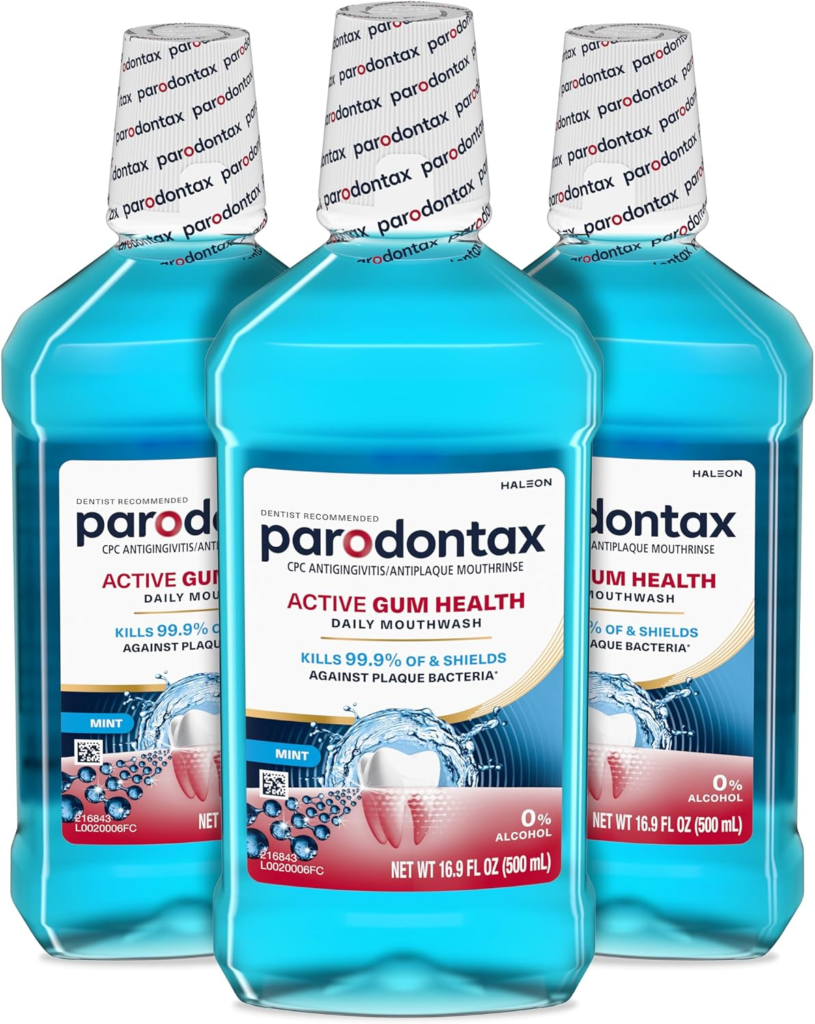
Parodontax Active Gum Health Daily Mouthwash – Daily Oral Care
Three bottles of Parodontax Active Gum Health Daily Mouthwash are displayed prominently against a clean white background. The product is positioned as part of a daily oral-care routine focused on gum health and plaque control. The blue mint mouthwash packaging creates a fresh, clean visual that works well for dental-care, oral-hygiene, gum-care, and mouthwash product content.
🦷 Upgrade Your Daily Oral-Care Routine — Check out this gum-care mouthwash and see if it’s right for your routine
Affiliate Disclosure: This article contains affiliate links. If you purchase through one of our affiliate links, we may receive a commission at no additional cost to you.
Is Happy Smile Pro Worth It?
If you’re specifically interested in PAP-based, peroxide-free whitening, the product is worth researching.
Its main attraction isn’t simply the word “PAP.”
It’s the combination of:
PAP whitening
LED technology
At-home convenience
That makes it different from a basic whitening strip or toothpaste.
But whether it’s worth the price depends on how much you value those features.
Where to Check the Current Happy Smile Pro Details
Because product specifications can change, I’d recommend checking the current offer before making your final decision.
Look carefully at:
- Current price
- Current package options
- Current ingredients
- Product instructions
- What’s included
- Shipping information
- Refund terms
Affiliate disclosure: This blog post may contain affiliate links. If you purchase through a link, I may earn a commission at no additional cost to you.
If you’re buying through an affiliate link, make sure you’re being redirected to the current official sales page before entering payment information.
Frequently Asked Questions
What is the main ingredient in Happy Smile Pro?
Happy Smile Pro is positioned around PAP, or phthalimidoperoxycaproic acid, as its whitening ingredient.
Is Happy Smile Pro peroxide-free?
Its whitening approach is positioned as PAP-based and peroxide-free. Always check the current product information for the latest formulation.
What does PAP do?
PAP is an oxidizing whitening ingredient used in cosmetic teeth-whitening formulations.
Is PAP better than hydrogen peroxide?
Not necessarily. PAP is an alternative whitening approach, while hydrogen peroxide has a long history of use in cosmetic whitening.
Can PAP whitening cause sensitivity?
Individual experiences vary. PAP should not be treated as a guarantee of zero sensitivity.
Can Happy Smile Pro whiten crowns?
Whitening natural teeth and dental restorations are different. Crowns, veneers, and bonding may not change color in the same way as natural teeth.
Can Happy Smile Pro remove coffee stains?
It may help improve the appearance of certain cosmetic stains, but results depend on the type and severity of discoloration.
Does Happy Smile Pro permanently whiten teeth?
No. Cosmetic whitening isn’t permanent.
Can I use more gel for faster results?
No. Use the amount and treatment duration specified by the manufacturer.
Can I use Happy Smile Pro if I have sensitive teeth?
If you have significant or persistent sensitivity, it’s better to consult a dental professional before whitening.
Final Verdict: Are Happy Smile Pro Ingredients Worth Considering?
The most interesting part of the Happy Smile Pro formula is its PAP-based whitening approach.
PAP gives consumers an alternative to traditional peroxide-based whitening, which is particularly relevant if you’re specifically searching for a peroxide-free product.
But don’t make the mistake of thinking that one ingredient tells you everything about a whitening product.
The complete formulation, application method, treatment duration, individual response, and your existing dental health all matter.
That’s why I’d look at Happy Smile Pro as a complete whitening system rather than simply a PAP product.
If you’re interested in the combination of PAP + LED + at-home convenience, it may be worth considering.
Just make sure you verify the current ingredient list and product details before purchasing.
Affiliate disclosure: This blog post may contain affiliate links. If you purchase through a link, I may earn a commission at no additional cost to you .
And if you’re still deciding whether it’s worth your money, our next guide will take a different approach:
Happy Smile Pro Pros and Cons: What I Like and What I Don’t Like
That article will give you a straightforward buyer’s perspective without the marketing fluff.
Related Posts:
How Does Happy Smile Pro Work?
Happy Smile Pro vs Whitening Strips
PAP vs Peroxide Teeth Whitening